About
I didn't set out to build a practice around two conditions most dentists refer away.
Shane Cope, DDS, MSD — specialist in periodontics (Indiana University School of Dentistry) and in oral medicine and orofacial pain (University of Southern California).
The training
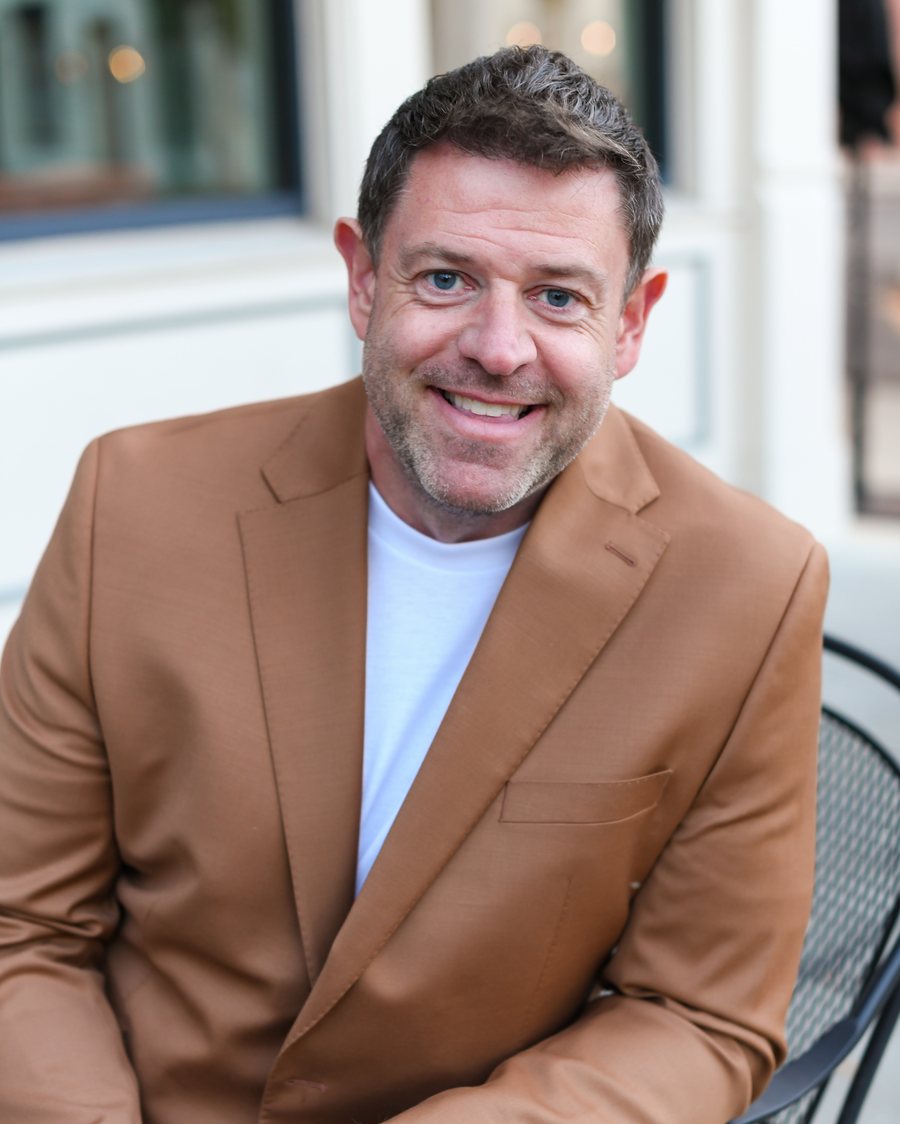
I completed a three-year periodontics residency at Indiana University School of Dentistry, then a residency in Oral Medicine and Orofacial Pain at the University of Southern California.
Those two programs cover different territory. Periodontics is surgical and tissue-focused. Oral medicine and orofacial pain is diagnostic and neurological — the conditions that present in the mouth but originate somewhere else, and the pain that persists when the tissue looks fine.
Burning mouth syndrome and chronic dry mouth sit precisely where those two fields meet, and that overlap is a large part of why they get missed. A periodontist looks at healthy tissue and refers out. A physician runs standard labs, finds them normal, and reasonably concludes there's nothing structural. Both are doing their job correctly. Neither one owns the problem.
Why I don't limit my practice
I don't limit my practice to my specialties. That's deliberate, and it's most of the reason this exists.
A specialist who limits their practice sees these patients late — after a referral, after someone else has narrowed things down, filtered through whoever thought to send them. A practice that also sees patients for routine care meets them the way they actually arrive: in the chair for a cleaning, mentioning almost in passing that their tongue has been burning for two years and nobody can tell them why.
That's where these conditions live. Undiagnosed, in general practice, in patients who've stopped expecting an answer.
For a long time I did what everyone does — reassured them the tissue looked healthy, suggested a rinse, referred out when it persisted. Then those patients came back, because the referral hadn't gone anywhere either.
At some point the pattern got hard to ignore. The exam was always normal. The labs were always normal. And the answer, when I finally dug for it, was almost never in the mouth. It was a medication. A deficiency below the threshold anyone flags. An autoimmune process nobody had screened for. Nerve involvement that no visual exam would ever show.
So I stopped referring the problem out and started building a system to solve it.
What that system actually is
- A twenty-form structured intakeSymptom timing, medications, systemic history, environmental exposure, and validated psychometric and neuropathic instruments — completed before you ever sit in the chair.
- A verified medication databaseEvery drug and supplement cross-referenced against a database I built and maintain myself, covering medications associated with reduced salivary flow. Each entry is sourced against FDA labeling or published literature, with the evidence basis recorded rather than assumed. It's the highest-yield step in the workup and the one routinely skipped, because it takes real time and nobody gets paid for it. Use it yourself →
- Objective measurementSalivary flow and pH measured, not estimated. Bedside sensory testing for small-fiber nerve involvement. Cranial nerve screening. Formal taste testing.
- A tiered diagnostic protocolThe core runs on everyone; deeper tiers open only when your specific findings call for them — including the formal Sjögren's decision pathway when the picture warrants it.
- A classification stepTurning all of it into a named diagnosis with a subtype, because that's what determines treatment. Without it, treatment is guessing.
None of this is exotic. It's ordinary clinical medicine applied thoroughly to a problem that usually gets fifteen minutes.
There is no cure for burning mouth syndrome.
When someone tells you otherwise, they're either selling something or they haven't seen enough of these patients.
What I will tell you is true. When a specific cause is found — a medication, a deficiency, an infection, an autoimmune process — addressing it often produces substantial improvement, and sometimes resolution. When no external cause is found and the picture is neuropathic, the realistic goal is meaningful symptom reduction and getting your life back, not zero.
I'll tell you if I think you're unlikely to respond, rather than take your money. I'll tell you if what you have belongs to another specialty, and refer you properly. And I'd rather say on a phone call that this isn't right for you than have you book a flight to find out.
You've been promised things before. I'd rather be the one who doesn't.
Outside the chair
I also hold certifications in integrative and functional nutrition and in clinical aromatherapy — both of which turned out to matter more than I expected in a condition where nutritional status and product exposure are genuinely part of the picture.
I run an online membership community for people living with these conditions who can't travel for care, or aren't at the point where that makes sense. It exists because most of what helps is education, and education shouldn't be gated behind a plane ticket.